Is it legal to record your doctor's appointment in Korea? What patients should know
In South Korea, recording a medical conversation you take part in is not a criminal offense under the Protection of Communications Secrets Act. Recording without consent can still raise civil issues, so the safest approach is to ask in one sentence before you start.
 Sodam editorial team
What you hear in the exam room is long, and memory is short. Many patients and caregivers want to record the visit, but the first worry is "Am I allowed to?" The short answer: recording a conversation you take part in is not a criminal offense in Korea, but recording without consent can create civil problems. Here is how it breaks down.
The short version: recording your own conversation is not a crime
Korea's Protection of Communications Secrets Act prohibits secretly recording "conversations between others that are not public." In other words, a third party secretly recording someone else's conversation is illegal, while a participant recording their own conversation is not covered by the act's penalties. Korean courts have consistently held this position. A patient recording their own conversation with a doctor falls squarely into this category.
The opposite situations are also clear. Leaving a device recording outside the exam room so it captures conversations you are not part of, or a family member who is not present recording remotely, can count as recording "a conversation between others" and may be illegal.
So why is secret recording still a problem?
- Right to one's voice — Separate from criminal law, Korean courts have in some cases found that recording without consent infringes the other person's personality rights and awarded damages. A legitimate purpose may change the outcome, but the result is not guaranteed.
- Clinic policy — Hospitals may have their own rules restricting recording and filming on site, for example to protect other patients' privacy.
- Trust — If a secret recording comes to light, trust with the care team is easily broken. Care is a continuing relationship, which in practice makes this the most important point.
The best approach: ask in one sentence before the visit
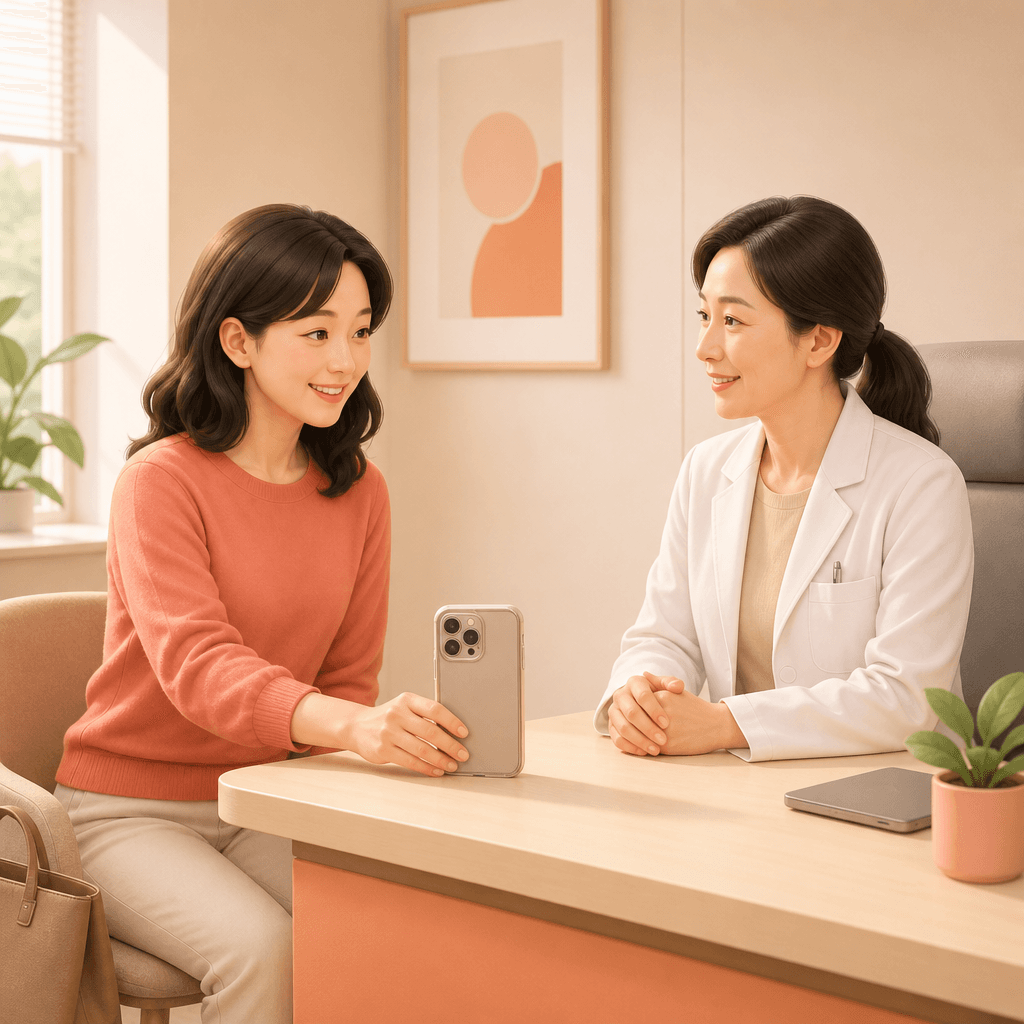
It sounds complicated, but the solution is simple. Before pressing record, ask: "Doctor, you'll be explaining a lot. May I record so I don't forget?" When the purpose is remembering, most clinicians readily agree. With consent, the legal worries and the relationship worries both disappear.
If they decline, respect that and take notes instead. Writing down what you remember right after the visit and photographing the prescription and any handouts preserves most of what matters.
More important than recording: listening again and organizing
The recording file itself is not the goal. Recordings that pile up never get replayed. What matters is turning what you heard into a summary you can understand and not missing the next steps: medication, follow-up appointments, tests. Sodam was built for exactly this: with everyone's consent, it records the visit, summarizes it automatically, and organizes the next steps.